


Surface Treatment for the Printing Industry
The Benefits Surface Treatment Imparts to Inkjet Printing
The integration of a corona or plasma treater on an ink jet production line improves the adhesion of inks to surfaces like plastics, metals, and glass – particularly important in digital and cylindrical printing applications. Surface treatment positively impacts wettability, adhesion, efficiency, quality, and the bottom line. Here are the main benefits:
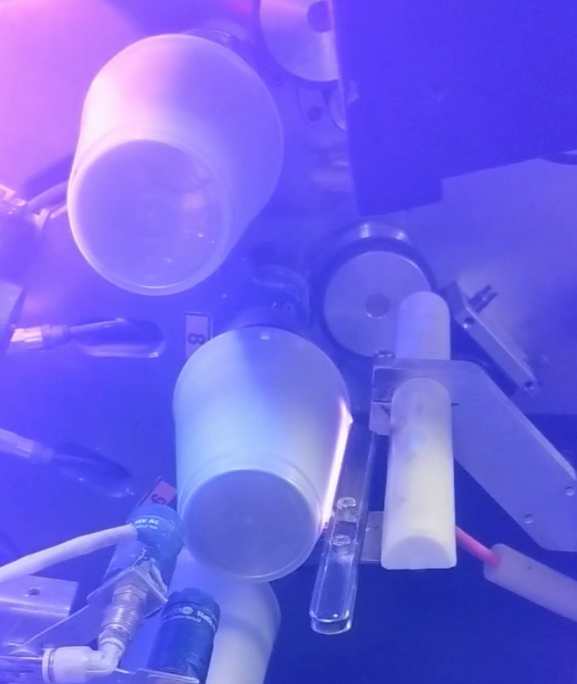
1. Improved Adhesion: Corona treaters modify the surface energy of materials, making them more receptive to inks and coatings, thereby improving print quality and durability.
2. Compatibility: They are particularly effective with UV inks and can be used with various substrates, including glass, metal, plastics, and other materials.
3. Efficiency: Incorporating a corona treater can streamline the printing process, reduce setup time, and maintain consistent print quality across multiple runs.
4. Improved Print Quality: Corona treaters ensure that ink adheres thoroughly and properly and thereby reduces scrap. Corona treatment improves ink durability by resisting flaking or peeling overtime.
3DT Engineers a Full Line of Surface Treatment Solutions – Each is Customizable
3DT manufactures a full range of surface treatment systems engineered for common industrial printing, decorating, bonding and adhesion demands. 3DT’s systems are designed for adaptability and can be configured to meet the exact requirements of unique applications. Our sales and engineering teams collaborate with customers through every stage of system development, including comprehensive application development, dyne testing, design, engineering, and system integration.
Customization may involve selecting the optimal type and number of treating heads, integrating conveyors, mandrels, linear actuators, robotics, part sensing and more. Each system is engineered for integration into production lines delivering precise, consistent, and repeatable surface treatment performance within your production environment. 3DT has 35 years of experience developing surface treatment for umpteen materials and applications.
We recommend these 3DT systems for digital printing providing improved adhesion and performance of printing inks:
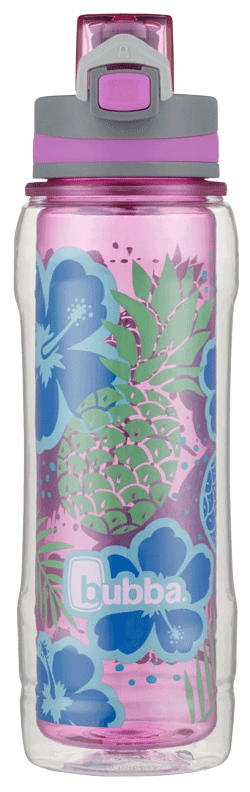
- PlasmaDyne uses atmospheric plasma discharge to improve bonding on a wide variety of products, from sport bottles to photo tiles to sport courts. PlasmaDyne raises surface energy, micro-cleans and activates unresponsive polymer surfaces to accept ink, paint, adhesives, coatings, and laminates. It is customizable for numerous applications and processes. The basic system includes these thoughtful features: Remote I/O interface, color touch display, modular replacement parts, and adjustable treatment levels for diverse materials and applications.
- HeliDyne – Powerful surface treatment and improved adhesion are now possible for wide, thick, porous, hollow, and over-size materials. 3DT’s new, patented HeliDyne corona treatment system was developed to produce strong bonding on these specialized substrates for printing, gluing, coating and laminating applications.
HeliDyne is engineered with numerous pin electrodes, which generate a broad corona discharge that increases surface tension on challenging materials without the heat damage typical of conventional treatment. Unlike most systems, HeliDyne handles materials up to 200 inches wide and 2 inches thick in a single pass. It is fully customizable and can be integrated inline or paired with a conveyor.
- PolyDyne is ideal for printing, assembly, injection molded and extrusion lines. It is a versatile corona treating system that includes custom-built product handling for each unique application. Common uses include the pretreatment of sheets, panels, foam, 3D parts, labware, and more.
- UltraDyne corona treatment system was developed to improve the adhesion of ink for high-speed inkjet cup/tub/tube printing lines utilizing 3DT’s specialized blade electrode.