Gentle Plasma – Surface Treatment for Sensitive Materials
Pre-treating sensitive materials presents a significant challenge for many converters. In these applications, plasma treatment is often the preferred solution.
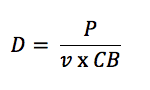
Achieving improved adhesion through corona pre-treatment depends largely on selecting the correct corona dosage — the relationship between power, web speed, and working width. In most production environments, however, the process or material requirements dictate the web or line speed, limiting flexibility in treatment settings.
Converters working with delicate substrates or very low web speeds often encounter another challenge: corona power can typically only be reduced to about one-third of its maximum output before the discharge becomes unstable and non-uniform.
One method of lowering the treatment level while maintaining a more even discharge is pulsed corona treatment. However, the energy contained in each individual pulse can still be relatively high, potentially causing surface damage or excessive pre-treatment. In addition, streamers — localized high-energy discharges that are common in conventional corona processes — can be especially harmful to sensitive materials such as foams and optical films.
To address these challenges, Hamburg-based SOFTAL Corona & Plasma developed its patented LinearPlasma system. LinearPlasma is an indirect plasma pre-treatment technology derived from corona treatment principles but designed specifically for delicate substrates.
Unlike conventional corona systems, plasma treatment with LinearPlasma contains no voltage potential at the substrate surface. As a result, there are no streamers and no strong electrical fields that could damage sensitive materials. The process delivers an extremely low-energy discharge to the substrate surface, minimizing the risk of film damage commonly associated with standard corona treatment.
This indirect plasma technology also enables the effective treatment of thick materials such as foams, rigid plates, and glass. An additional advantage is that the process does not generate ozone within porous materials, eliminating the possibility of ozone release later in the production line that could potentially affect equipment or raise health concerns.
Beyond traditional converting applications, SOFTAL’s LinearPlasma technology is also well suited for the surface treatment of printed electronics. These increasingly common materials are used in advanced packaging structures and technical film laminates. Conventional corona treatment can damage conductive circuits embedded within these materials due to exposure to electrical fields. Because LinearPlasma provides a potential-free, non-conductive treatment process, these sensitive electronic structures remain protected.
SOFTAL specifically engineered the LinearPlasma process for printed electronics and other sensitive applications requiring potential-free pre-treatment. Whether conductive elements are located on the surface or embedded within the substrate, the material is not exposed to damaging electrical fields, ensuring that delicate conductive structures remain intact.
In conclusion, converters seeking improved adhesion of inks, adhesives, laminates, and coatings on delicate materials — including sensitive foams, optical films, and printed electronics — can benefit from SOFTAL’s LinearPlasma technology.
3DT represents SOFTAL Corona & Plasma in the USA and Canada. Learn more on 3DT’s SOFTAL page or contact a sales engineer at sales@3DTLLC.com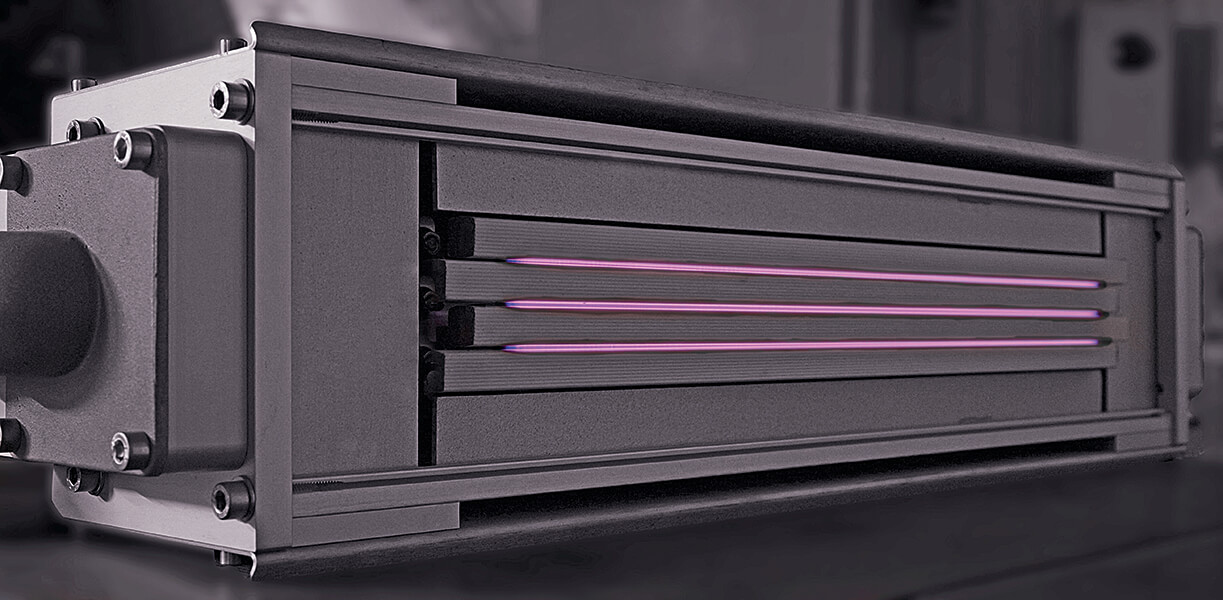
Best regards,
Florian Brehmer
CTO SOFTAL Corona & Plasma